
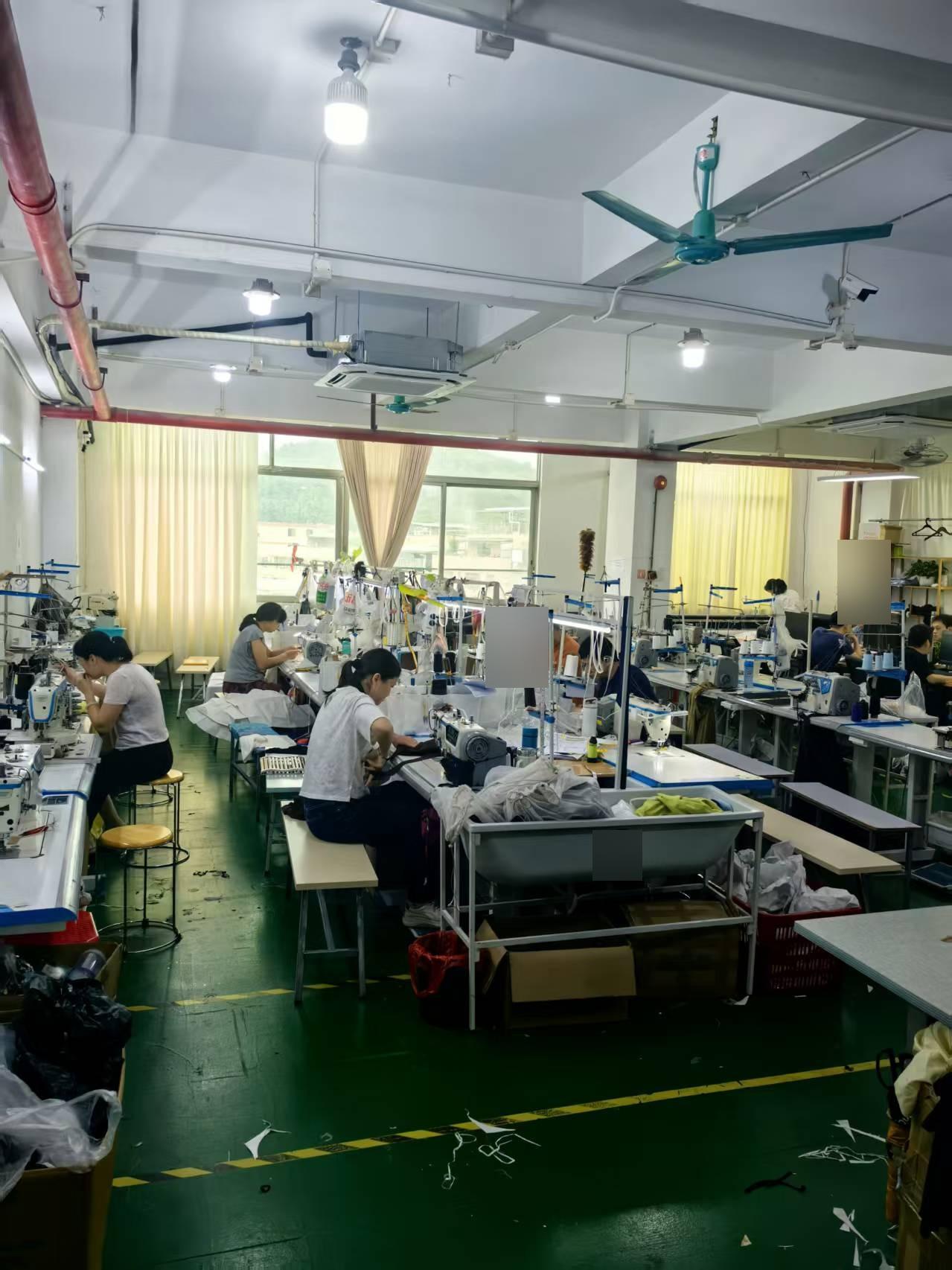
The decision happens on the factory floor, not at the booth.
The 140th Canton Fair closed in Guangzhou on 4 November. If you went, you came home with a stack of business cards that felt like progress. They are not progress. They are unpriced risk.
The money is not won or lost at the fair. It is won or lost in the next thing you do: the order you place with a supplier you spoke to for twenty minutes on a noisy exhibition floor. Get that order wrong and you own the consequences — a container of stock you cannot sell, and, because in Australia the importer is effectively the manufacturer in the eyes of product safety law, a compliance problem that lands on you, not on the factory.
That is the job. And it is the job we do.
Three things to confirm before you order
1. Confirm who actually makes the product. At the fair you meet both manufacturers and trading companies, and both can be legitimate partners — the point is to know which one you are dealing with, and where production actually happens. The fair's own 2026 upgrade, the "Trade Bridge — China Industry Tour" programme, is built around exactly that question: it moves buyers from "booth negotiation" to "workshop conversation", with on-site factory visits, sample selection and order negotiation as one chain. This year the tours visited 4 provinces and 10 cities, covering 43 industry clusters, and served 86 buyer visits and 538 foreign-trade enterprises. A short factory visit answers in an afternoon what a booth conversation cannot: who makes the product, on what equipment, and under what quality control.
2. Confirm the sample against bulk production. The sample on the stand is made to showcase the product at its best. Bulk production is a different run, on a different day, often on a different line — so specifications need to be confirmed again at the bulk stage. The standard sequence is: judge samples against your tech pack, confirm a golden sample, and require a pre-production sample made from bulk fabric before cutting starts. Agree that sequence in writing before you order. It is standard practice, and it protects both sides.
3. Confirm the commercial terms and the Australian requirements. A quoted MOQ per style can hide a per-colour or per-size minimum that changes your order size, so confirm the MOQ per style, per colour and the size ratio in the same conversation. A supplier's "meets standards" usually means it meets some standard, somewhere — confirm the evidence against the Australian standard specifically. And if a product is later recalled or found to breach a mandatory standard or a ban, the ACCC comes to you as the importer. None of this is visible on the stand. All of it is checkable before you order.
If you would like a second pair of eyes on your shortlist, bring it to a free 30-minute consultation — we will go through it with you and suggest which suppliers merit a factory visit first. No commitment, and if the honest answer is that you can handle one of them yourself, we will say so.
What happens when you hand us the shortlist
This is the process, exactly as we run it for Australian brands:
Step 1 — Triage (free). You bring the business cards, the quotes and the notes you took on the stand. In a 30-minute call we sort them: worth a sample, worth a follow-up question, or better set aside for now. Some names drop out here, and that is the point — every name you set aside now is a sample fee and a month you do not spend.
Step 2 — Factory verification ($490). For each supplier that merits a closer look, we verify the factory before any money moves: business licence, real capacity for your order size, and an on-the-ground check of the operation. This is the same 5-step verification process we published for Australian importers — the difference is that we do it for you, in China, instead of leaving you to do it from Sydney.

Verify the factory before any money moves.
Step 3 — Samples on your terms. We order samples for one or two styles only, judged against your tech pack, and we confirm the golden sample and the pre-production sample on bulk fabric before cutting starts. The factory does not set the standard. Your tech pack does.

Samples on your terms — before the bulk order.
Step 4 — Inspection before the balance. Production is inspected before you pay the balance — not after the goods land. Then shipping and customs are handled, and the goods arrive as the ones you approved.
That is the whole service. No part of it is automated, and no part of it is guesswork: someone is on the ground, looking at the factory, the samples and the goods, before your money is committed.
Why this is not just our opinion
The fair's own exhibitor guide — the document the fair hands to its suppliers — backs every step of that process. Its "i-Invite" programme lets exhibitors send buyers official invitations by email, link or QR code, with the fair's backing — and the fair scores and rewards exhibitors on the buyers they bring, so an official invitation is a normal, credible thing, not a cold-call trick. Its buyer badge is free: pre-register on buyer.cantonfair.org.cn, take the receipt code and your passport, and collect it at a hotel, airport or venue point. And its headline-buyer zone — visited at the 140th session by buyers including KESKO of Finland, X5 Group of Russia, LocknLock of Korea, the Taurus Group of Spain, SHEIN International and UNICEF — runs on the same matching tools every other buyer gets. The system is not reserved for the giants. What separates a good outcome from a wasted trip is what happens after the fair — and the fair's own programme now points that way, toward the factory floor.
The reason to start this week, not in April
The next Canton Fair is the 141st session, expected 15 April – 5 May 2027 (Phase 1: 15–19 April, Phase 2: 23–27 April, Phase 3: 1–5 May). Those dates are the expected dates from the fair's usual pattern — the organiser had not officially confirmed them at the time of writing, so check cantonfair.org.cn before booking anything non-refundable.
But waiting for April is the expensive option. Chinese New Year falls on 6 February 2027, and factories start closing from mid-January. The window to verify a factory, approve samples and get an order into production before the New Year shutdown is now — November and December. If you wait until the next fair, you are not just waiting five months. You are missing a production window.

Packed and ready to ship — before the factories close for Chinese New Year.
So the sequence is simple: triage the shortlist this week, verify the survivors, sample them, and order before the shutdown. Or leave the cards in a drawer until April and start from a cold booth conversation again.
Start with the free call
Book a free 30-minute consultation and bring your Canton Fair shortlist — the cards, the quotes, whatever you came home with. We will go through it with you, suggest which suppliers merit a factory visit first and what the next step would cost. If the right next step is a $490 factory verification, we will say so. If a supplier looks like a poor fit for your order, we will say that too.
The fair is over. The orders are not placed yet. That is still a good position to be in — as long as nobody wires money first.
Bottom line: A stack of business cards from the Canton Fair is not a supply chain. It becomes one when someone walks the factory floor, checks the licence and the capacity, approves the sample against your tech pack, and inspects the goods before the balance is paid. That is what we do — and the first step, a 30-minute triage of your shortlist, is free.
This article is general information for Australian importers, not legal advice. Mandatory standards, bans and recall information change — always check the current ACCC Product Safety guidance for your category before ordering. Fair dates, badge rules and programme details are as published by the Canton Fair (China Import and Export Fair) for the 140th session; confirm current details on cantonfair.org.cn before planning a trip.